



What’s the TL;DR?
Red Reishi has been found in studies to be a potent herbal DHT blocker. Unlike Saw Palmetto, it hasn’t been found to affect prolactin or estrogen, and therefore should be valuable for those persons who only want to block DHT without affecting other hormones.
Triterpenoid content in Red Reishi is believed to be the active compound inhibiting the 5aR enzyme.
Dosage and timing
Red Reishi dosage for NBE hasn’t been established, but one study used 15mg/kg/day of extract to effectively reduce DHT in rats, and also found that it could bind to the androgen receptor.1 This may equate to about 1000mg for a 65kg human.
Some community members have claimed that the polysaccharide content matters (e.g. 30%), and to try to find the highest possible concentration.2 However based on my research, studies (listed below) have actually isolated triterpenoids as being responsible for blocking DHT, and therefore I would recommend instead targeting that.
Red Reishi can be used throughout the menstrual cycle without ill effect.
Further details
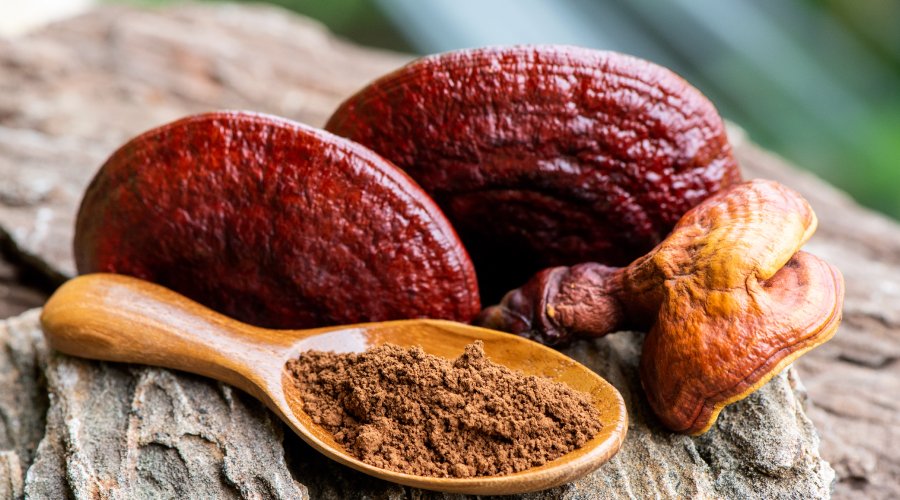
Red Reishi is a type of mushroom commonly known for its benefits in strengthening the immune system,3 alongside shiitake mushrooms. For this reason, they are often sold as supplements. Studies have found that the polysaccharide content is responsible for the immunomodulatory function of Red Reishi,4 although this does not extend to 5aR inhibition.
Research has also indicated that Red Reishi may combat liver fibrosis5 and that it can induce apoptosis in cancer cells, such as those found in cervical cancer.6 Additional benefits are discussed in this Healthline article.
Available studies
In regard to benefits for NBE, considerable research has been conducted on the anti-androgenic effects of Reishi mushrooms in the prostate. One 2005 study that explored the anti-androgenic effects of 19 species of mushrooms found that Reishi mushrooms exhibited the strongest ability to inhibit testosterone.7 The study concluded that Reishi mushrooms significantly reduced levels of 5-alpha reductase, thereby preventing the conversion of testosterone into the more potent DHT.
A 2006 study identified triterpenoids as responsible for the DHT-blocking effects.8 Subsequent studies in 2007 and 2009 confirmed this finding and specifically attributed the anti-androgenic effects to the triterpenoids ganoderol B and ganoderol F, respectively.9 10
When 11 randomly selected samples of commercial reishi products purchased in Hong Kong shops were evaluated for the two major active components, triterpenes and polysaccharides, it was found that the triterpene content ranged from undetectable to 7.8%11 and the polysaccharide content varied from 1.1–5.8%.
Products to consider
Listed below are standardized options for both triterpenoids (TT) and polysaccharides (PS). Triterpenoids are recommended for NBE.

$40/100ct 350mg 20% TT Reishi Extract – China

$28/100ct 350mg 25% TT Reishi Extract – China
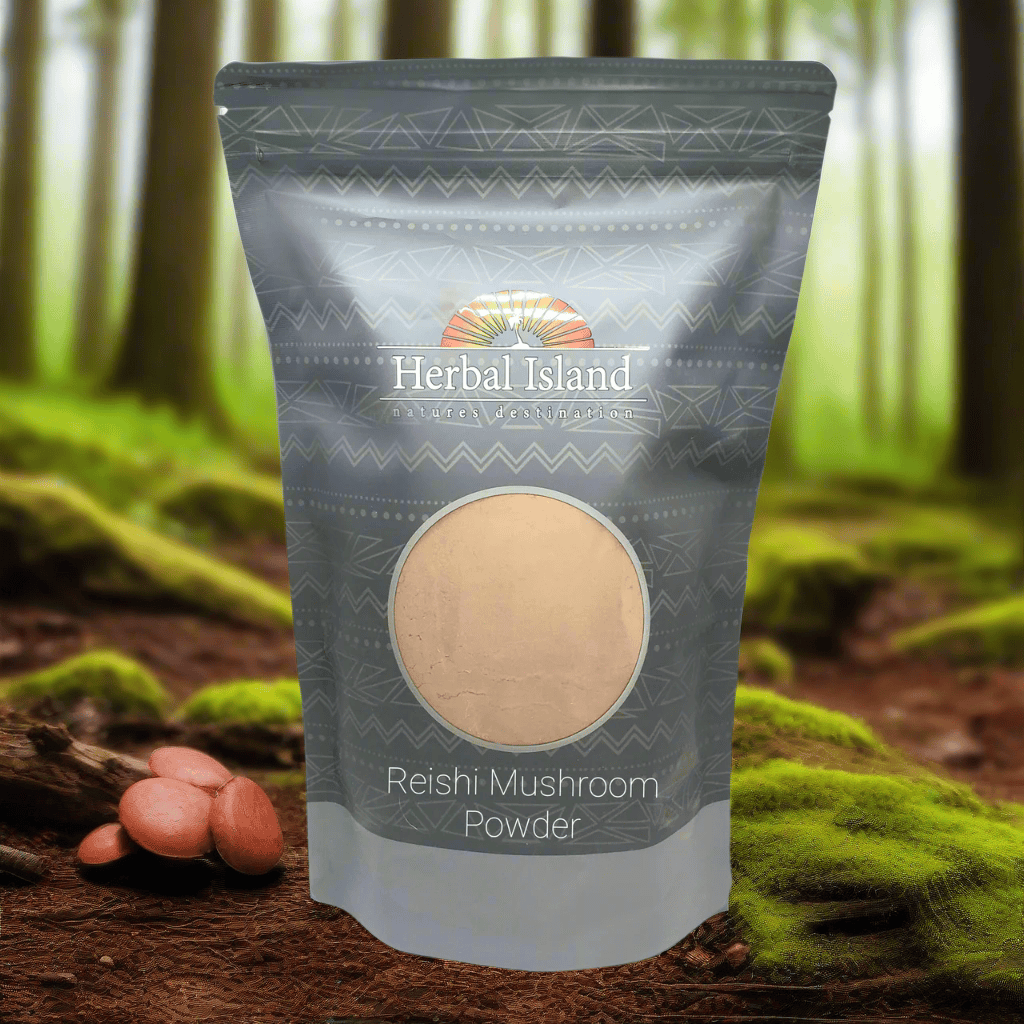
$25/1lb 35% PS Red Reishi Extract – Herbal Island
$12/60ct 500mg 35% PS Red Reishi Extract – Herbal Island
References
- The anti-androgen effect of ganoderol B isolated from Red Reishi ↩︎
- https://www.breastnexus.com/showthread.php?tid=22417&pid=212612#pid212612 ↩︎
- Immunomodulating Effect of Reishi and Possible Mechanism ↩︎
- Health-Promoting of Polysaccharides Extracted from Red Reishi ↩︎
- Red Reishi: experimental progress in anti-liver fibrosis ↩︎
- Red Reishi Polysaccharide Exerts Suppressive Effect on Cervical Cancer ↩︎
- Anti-androgenic activities of Ganoderma lucidum ↩︎
- Relationship for inhibition of 5aR by triterpenoids ↩︎
- The anti-androgen effect of ganoderol B ↩︎
- Anti-androgen effects of extracts and compounds from Reishi ↩︎
- Ganoderma lucidum (Lingzhi or Reishi) A Medicinal Mushroom ↩︎
