


What’s the TL;DR?
DIM is greatly beneficial in estrogen dominant situations, and also acts as the most powerful herbal anti-androgen. It prevents cancer by promoting healthy estrogen metabolites. However, despite DIM being incredibly healthy and some people seeing success with it, it may have a few anti-NBE effects.
Dosage and timing
Dosage: 200-400mg per day.
Tolerance: High doses can induce nausea, headaches, and vomiting
As for timing, it’s difficult to deduce, but evidence points to the follicular phase. DIM helps with estrogen metabolism, so should be taken when estradiol levels are high. However—honestly—DIM takes a while to ramp up its effects on estrogen and testosterone, so cycling it is likely useless and it likely should be taken month-long.
Further details
3,3′-Diindolylmethane (DIM) is a natural compound formed during the digestion of cruciferous vegetables such as broccoli, cabbage, cauliflower, kale, and Brussels sprouts.
In the NBE community, DIM is primarily recognized for its role in enhancing estrogen metabolism, as well as its potent anti-androgen properties (comparable to those of the most powerful anti-androgen: bicalutamide).
Additionally, DIM is being investigated in cancer research for its ability to inhibit cell proliferation and promote apoptosis—which may have anti-NBE implications. However, since DIM also aids in preventing DNA damage by improving estrogen metabolism, this protective effect may counterbalance its potential anti-NBE properties.
Community Anecdotes
Users generally report favorable reviews using DIM. Notably, people advocate for its use in estrogen dominant situations, as they believe it has a hormone balancing effect.1 2 Some users have directly attributed their growth to higher doses (400mg) of DIM-plus.3 While some users have directly attributed their shrinkage to DIM.4
As DIM also inhibits aromatase, this may support the communities’ opinion to use DIM in the event of estrogen dominance. Inhibiting aromatase would increase testosterone because it can no longer convert to estrogens, lowering estrogen levels as a result. However, as DIM is a powerful anti-androgen, the increase in testosterone wouldn’t pose an issue unless it converts to DHT – which may warrant including a 5aR inhibitor to mitigate that risk.
As for timing, anecdotally, some users have decided to take DIM only during the first 21 days of the cycle.5
Available studies
While DIM is a potent anti-androgen, research has found that it also has anti-proliferative capacity and estrogenic activity.6 Interestingly, DIM selectively activates the ERβ receptor – without actually binding to it.7
Similar to Hops, DIM shifts production of the dangerous estrogen metabolite 16-hydroxy in favor of the beneficial (or healthier) 2-hydroxy 2-OH metabolite.8

These effects result in DIM being notably anti-cancerous. DIM has also been shown to reduce the effects of COX-2, cancer cell proliferation,9 inhibit aromatase,10 and adipogenesis.11 This property of DIM may be anti-NBE.
DIM is anti-proliferative because it activates ChK2.12 ChK2 is a protein kinase that is activated in response to DNA damage and helps regulate cell cycle arrest.13 This can lead to apoptosis of the cell. This is very beneficial in cancer, and cancer-prone cells (cells with DNA damage). It also inhibits phosphorylation of the EGF receptor, and EGF is important for cell proliferation in the breast.
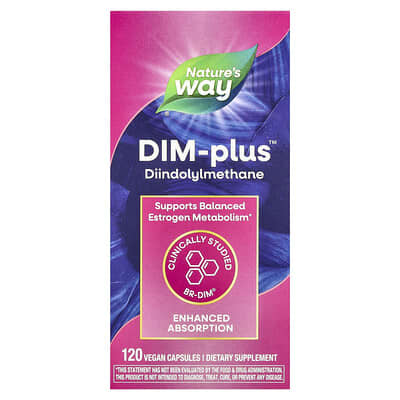
Products to consider
References
- https://redd.it/nx6t5x ↩︎
- https://www.breastnexus.com/showthread.php?tid=29932 ↩︎
- https://breastnexus.com/showthread.php?tid=66&page=13 ↩︎
- https://www.breastnexus.com/showthread.php?tid=22866 ↩︎
- https://breastnexus.com/showthread.php?tid=66&pid=18448#pid18448 ↩︎
- https://pubmed.ncbi.nlm.nih.gov/12665522/ ↩︎
- https://www.ncbi.nlm.nih.gov/pmc/articles/PMC2850231/ ↩︎
- https://pubmed.ncbi.nlm.nih.gov/15623462/ ↩︎
- https://www.ncbi.nlm.nih.gov/pmc/articles/PMC5059820/ ↩︎
- https://www.healthline.com/nutrition/dim-supplement ↩︎
- https://pubmed.ncbi.nlm.nih.gov/28586165/ ↩︎
- https://www.rndsystems.com/products/dim_4502 ↩︎
- https://www.science.org/doi/10.1126/science.287.5459.1824 ↩︎
